
9 min read
Best Treatment for Hyperpigmentation on Black Skin
Best Treatment for Hyperpigmentation on Black Skin
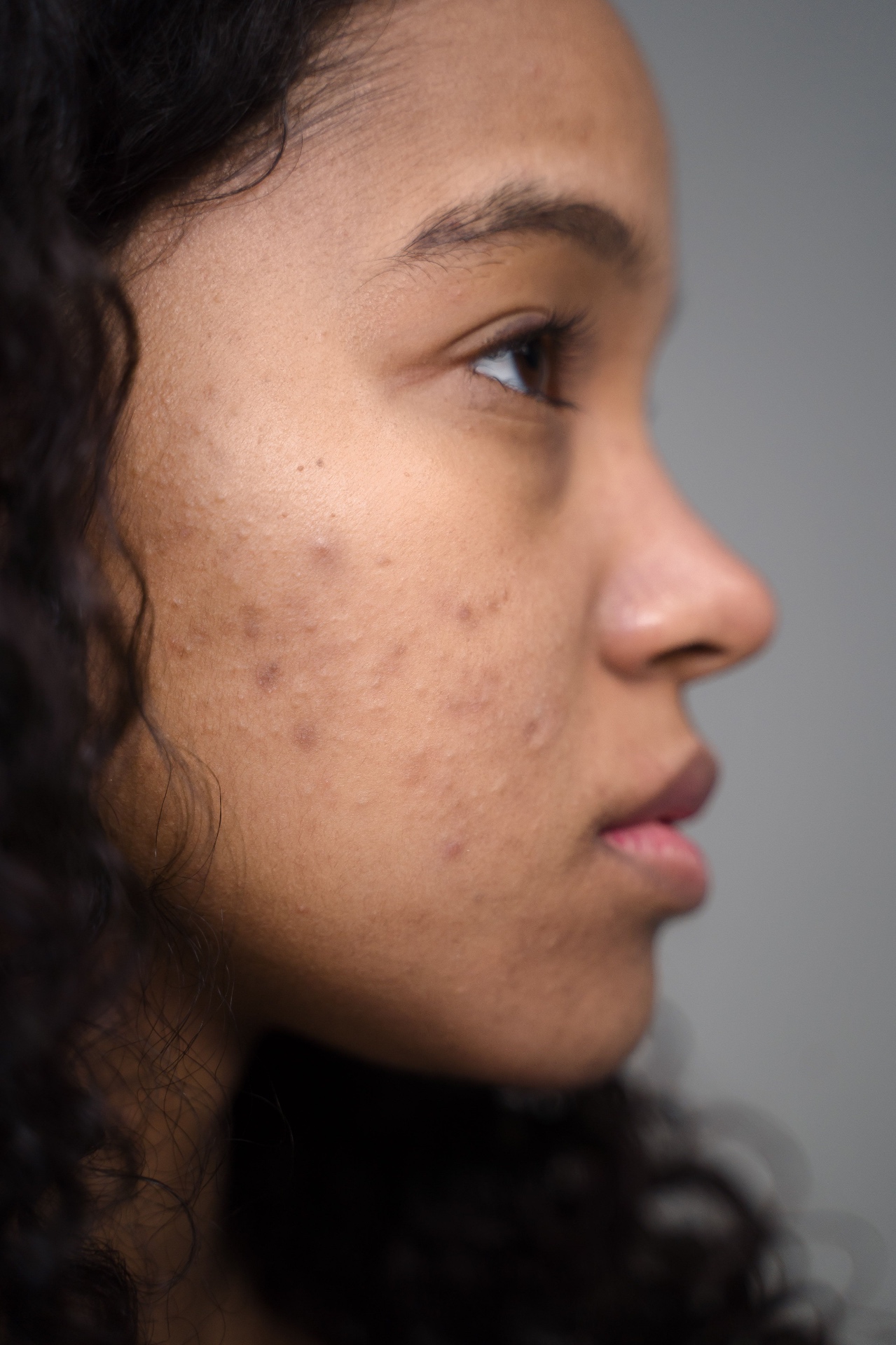
If you have deeper skin tones, you already know that dark spots don't behave the same way they do on lighter skin. Hyperpigmentation on Black skin tends to be darker, take longer to fade, and — if treated the wrong way — can actually get worse instead of better. The good news is that with the right approach, most hyperpigmentation is very treatable. This guide breaks down what actually works, what to avoid, and how to build a routine that respects the unique biology of melanin-rich skin.
Why Hyperpigmentation Behaves Differently on Black Skin
Melanocytes — the cells that produce pigment — are more reactive in deeper skin tones. Any form of trauma or inflammation (acne, a scrape, a bug bite, even aggressive exfoliation) can trigger these cells to overproduce melanin in that spot. This is called post-inflammatory hyperpigmentation (PIH), and it's the most common form of discoloration in Black skin.
Because melanocyte activity is higher, Black skin is also more prone to a frustrating side effect: treatments that are too harsh (strong peels, high-percentage retinoids used too aggressively, unregulated skin-lightening creams) can trigger new pigmentation rather than fading the old spots. This is why "best treatment" for Black skin isn't just about potency — it's about picking ingredients and procedures with a proven safety profile for melanin-rich skin.
Protective Hat Gear
Before you purchase any ingredients, make sure you have the proper hat wear to physically protect your skin from the sun. Our Hide Me Hats are designed with wide brims to shade your face, neck, and shoulders, giving you an extra layer of protection that makes your hyperpigmentation plan more effective.
Shop The Pink HaloThe Most Effective Ingredients
Azelaic Acid (10–20%). Azelaic acid is often considered one of the safest, most effective options for deeper skin tones. It slows down overactive pigment production without bleaching surrounding skin, and it doubles as an anti-inflammatory, which helps prevent new dark spots from acne.
Tranexamic Acid. Originally used for melasma, tranexamic acid interrupts the pathway that triggers pigment production in response to inflammation and UV exposure. It's gentle enough for regular use and pairs well with other brightening ingredients.
Vitamin C (L-ascorbic acid or derivatives). A stable, well-formulated vitamin C serum brightens tone, protects against UV-triggered pigment production, and works well long-term. Look for concentrations between 10–20%.
Niacinamide. Niacinamide reduces the transfer of pigment to the skin's surface and calms inflammation, making it a strong daily-use ingredient for prevention and mild fading.
Retinoids (Retinol or Prescription Tretinoin). Retinoids speed up cell turnover, helping pigmented cells shed faster. On Black skin, start low and slow — 2–3 nights a week — to avoid irritation, which can itself cause more pigmentation.
Hydroquinone (Short-Term, Prescription-Strength). Hydroquinone remains the gold standard for stubborn PIH and is often prescribed at 4% or higher for a limited period (typically 8–12 weeks) under dermatologist supervision. It should not be used indefinitely, as prolonged use carries a rare risk of a condition called ochronosis in some skin tones.
Ingredients to Approach with Caution
High-percentage glycolic or salicylic peels done too frequently or at too high a concentration can trigger rebound pigmentation.
Unregulated "skin lightening" creams, especially those bought online without ingredient transparency, sometimes contain unsafe levels of steroids or mercury.
Aggressive at-home microdermabrasion or scrubbing — physical trauma is one of the most common triggers of PIH in Black skin.
Professional Treatments Worth Considering
For stubborn or long-standing dark spots, in-office treatments can accelerate results.
Chemical peels formulated for deeper skin tones (mandelic acid, low-strength TCA) performed by a provider experienced with Black skin.
Microneedling, which can improve texture and pigment when done conservatively.
Laser treatments — this is where caution matters most. Not all lasers are safe for melanin-rich skin. Look for a dermatologist who specifically works with Black skin and uses settings (like longer wavelengths) designed to reduce the risk of triggering more pigmentation.
Building a Realistic Routine
Morning: Gentle cleanser → Vitamin C or niacinamide serum → moisturizer → broad-spectrum SPF 30+ (non-negotiable).
Evening: Cleanser → azelaic acid or tranexamic acid serum → retinoid (2–3x/week) → moisturizer.
Sunscreen is arguably the single most important step. UV exposure re-darkens existing spots and can undo months of progress in a single unprotected summer.
How Long It Takes
Most people see visible improvement in 8–12 weeks with consistent use, though deeper or older spots can take 6 months to a year to fully fade. Consistency matters more than intensity — a gentle routine followed daily outperforms an aggressive one used sporadically.
When to See a Dermatologist
If dark spots are widespread, resistant to over-the-counter treatment after 3 months, or you suspect melasma rather than PIH, a board-certified dermatologist (ideally one with specific experience treating skin of color) can offer prescription-strength options and safer in-office procedures.
Frequently Asked Questions
Can hyperpigmentation on Black skin fully go away? Yes, in most cases of PIH, spots fade significantly or disappear completely with consistent, appropriate treatment — though it takes patience.
Is hydroquinone safe for Black skin? Used correctly, short-term, and under guidance, yes. Long-term unsupervised use is where problems arise.
What's the fastest way to fade dark spots? There's no true overnight fix. The combination of daily SPF, a proven active ingredient (azelaic acid, tranexamic acid, or a retinoid), and consistency is what delivers the fastest safe results.