
8 min read
Hyperpigmentation After Acne: Why It Happens and How to Treat It
Hyperpigmentation After Acne: Why It Happens and How to Treat It
You finally got a breakout under control — and now you're staring at a flat, brownish or reddish mark left behind. This is one of the most common (and most frustrating) parts of dealing with acne: the dark marks that linger long after the pimple itself is gone. Here's everything you need to know about why it happens and, more importantly, what actually helps it fade.
What Is Post-Acne Hyperpigmentation?
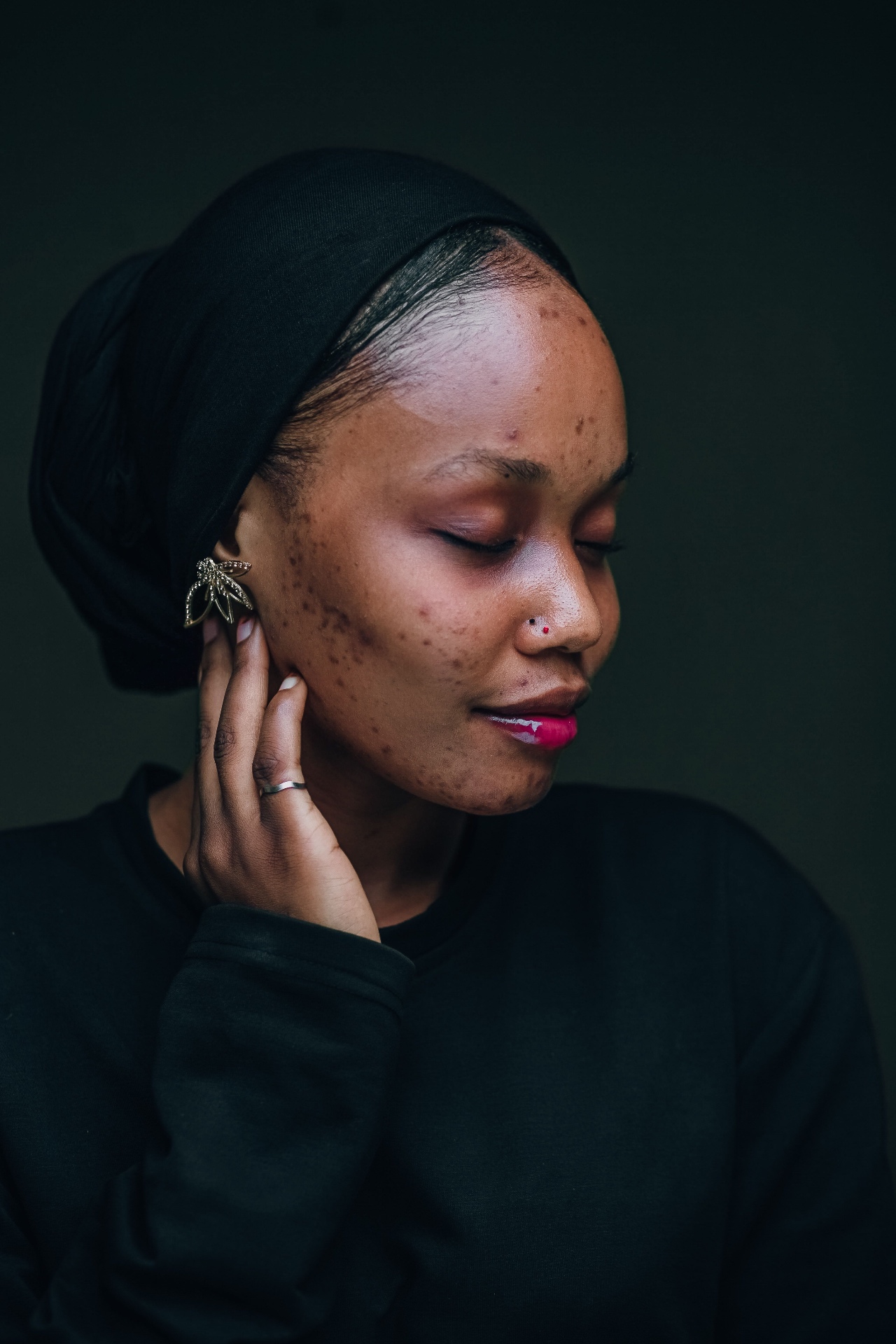
Post-acne hyperpigmentation, medically known as post-inflammatory hyperpigmentation (PIH), is a flat discoloration that appears where a pimple used to be. It's different from acne scarring, which involves changes in skin texture (indentations or raised tissue). PIH is purely a color change — no texture change — which is actually good news, because it means it's treatable and, in most cases, temporary.
PIH shows up as:
Brown, tan, or dark spots on lighter skin tones.
Deeper brown, gray, or purplish-brown marks on medium to deep skin tones.
Why Does Acne Cause Dark Marks?
When skin is inflamed — from a pimple, cyst, or even from picking — the body responds by triggering melanocytes (pigment-producing cells) in that area to produce extra melanin. This is a natural healing response, but it results in a visible mark that can linger for weeks, months, or in some cases over a year.
Several factors make PIH worse or more likely:
Picking or popping pimples, which increases inflammation and trauma.
Sun exposure on the healing area, which darkens the mark further.
Deeper or cystic acne, which causes more inflammation than surface-level breakouts.
Naturally higher melanin activity, which is why PIH is especially common and stubborn in medium-to-deep skin tones.
How Long Does Post-Acne Hyperpigmentation Last?
Without treatment, mild PIH can fade on its own in 3–6 months. Deeper or more stubborn marks, especially from cystic acne, can take 12 months or longer. With consistent, targeted treatment, most people see visible fading within 8–12 weeks.
The Most Effective Treatments
1. Sunscreen (Every Single Day). This isn't optional. UV exposure is one of the biggest reasons dark marks stick around longer than they should. A broad-spectrum SPF 30 or higher, reapplied throughout the day, prevents existing marks from darkening further.
2. Niacinamide. A gentle, well-tolerated ingredient that reduces pigment transfer to the skin's surface and calms redness. Great for daily use, even on sensitive or acne-prone skin.
3. Azelaic Acid. Effective for both active acne and the marks it leaves behind. It targets excess pigment production while also having anti-inflammatory and antibacterial properties — a nice two-in-one for acne-prone skin.
4. Vitamin C. A well-formulated, stable vitamin C serum brightens overall tone and helps fade discoloration while offering some antioxidant protection against further UV damage.
5. Retinoids. Retinol (over-the-counter) or tretinoin (prescription) speed up cell turnover, helping pigmented skin cells shed and reveal fresh skin underneath. Start 2–3 nights a week to avoid irritation.
6. Chemical Exfoliants (AHAs/BHAs). Glycolic acid, lactic acid, and salicylic acid gently exfoliate the surface layer, helping fade marks faster. Use in moderation — over-exfoliating can trigger more PIH, especially on deeper skin tones.
7. Tranexamic Acid. Increasingly popular for stubborn discoloration, this ingredient interrupts the pigment-triggering pathway and works well alongside vitamin C or niacinamide.
Building an Acne + Hyperpigmentation Routine
Morning:
Gentle, non-stripping cleanser.
Niacinamide or vitamin C serum.
Oil-free moisturizer.
Broad-spectrum SPF 30+.
Evening:
Cleanser.
Treatment (azelaic acid, or acne treatment like benzoyl peroxide/salicylic acid on active breakouts, alternating with retinoid).
Moisturizer.
What to Avoid
Picking or popping pimples — this is the single biggest preventable cause of PIH.
Over-exfoliating, which irritates skin and can create more pigmentation than it removes.
Skipping sunscreen, which allows existing marks to darken and new ones to form more easily.
Using multiple strong actives at once (e.g., retinoid + strong acid peel + benzoyl peroxide all together), which can overwhelm the skin barrier.
When to See a Dermatologist
If marks haven't improved after 3–4 months of consistent care, or if you're also dealing with textured scarring, a dermatologist can offer prescription-strength treatments (like tretinoin or hydroquinone) or in-office procedures such as chemical peels or microneedling.
Protective Hat Gear
Wear a hat that will cover your hyperpigmentation to avoid your spots getting darker. Our Hide Me Hats feature wide brims designed to shield the face, neck, and shoulders from direct UV, cutting down one of the biggest triggers that keeps post-acne marks from fading.
Pairing daily sunscreen with physical coverage gives your skin the best chance to heal. The less UV exposure your dark marks get, the faster they can fade and the less likely new ones are to form.
Shop The Pink HaloFrequently Asked Questions
Does post-acne hyperpigmentation go away on its own? Often yes, but it can take many months to over a year without any treatment. Active treatment speeds this up significantly.
Is hyperpigmentation the same as acne scars? No. Hyperpigmentation is a color change with no texture difference. Scarring involves indentations or raised skin and requires different treatment approaches (like microneedling or lasers).
What's the best ingredient to start with? Niacinamide is a great first step for most skin types — it's gentle, affordable, and works well alongside almost every other treatment.
Can makeup make hyperpigmentation worse? Makeup itself doesn't typically worsen PIH, but not removing it thoroughly or wearing comedogenic products that trigger new breakouts can indirectly lead to more marks.